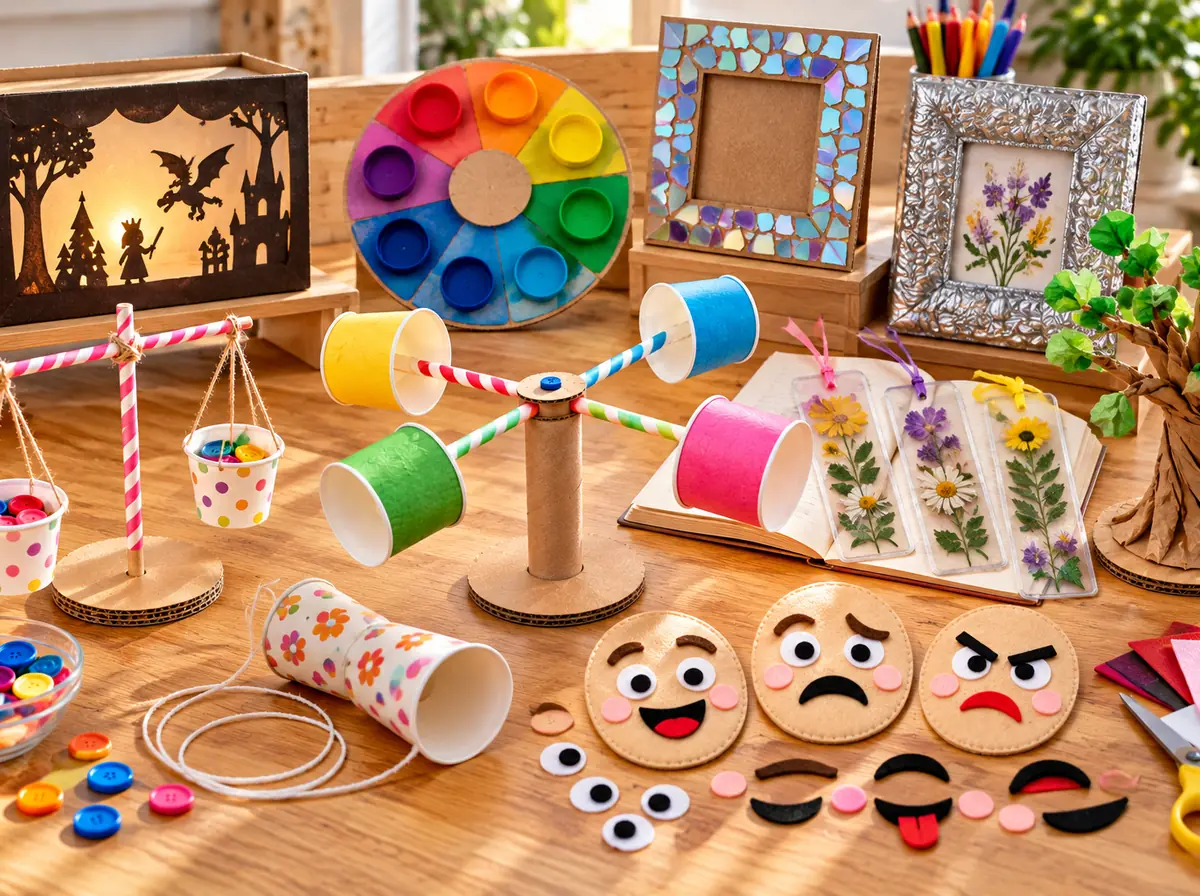
Creative school crafts make everyday classroom lessons memorable and engaging for young learners. Combining hands-on art projects with core educational concepts helps children understand complex ideas while developing crucial fine motor skills.
This complete guide shares 24 practical, beginner-friendly craft ideas tailored for elementary classrooms and home learning environments. Each project uses affordable supplies like paper plates, cardboard rolls, felt, and washable paints to turn lesson plans into exciting creative activities.
Planning more projects? You may also like our easy school crafts for quick classroom fun and craft from waste material ideas.
24 Creative School Crafts for Classroom Learning
Here are 24 creative school craft projects designed to enhance science, math, literacy, art, and geography lessons.
1. Cardboard Roll Solar System Planets

Cardboard roll planets make astronomy tangible for young students. Children paint recycled paper tubes in distinct sizes and colors to represent planets across the solar system. This activity teaches planetary order while practicing fine brush control.
Teachers can integrate this project during space science units. Kids love arranging their painted tubes across their study desks. All you need are paper rolls, non-toxic craft paint, and natural twine.
2. Paper Plate Fraction Pizzas
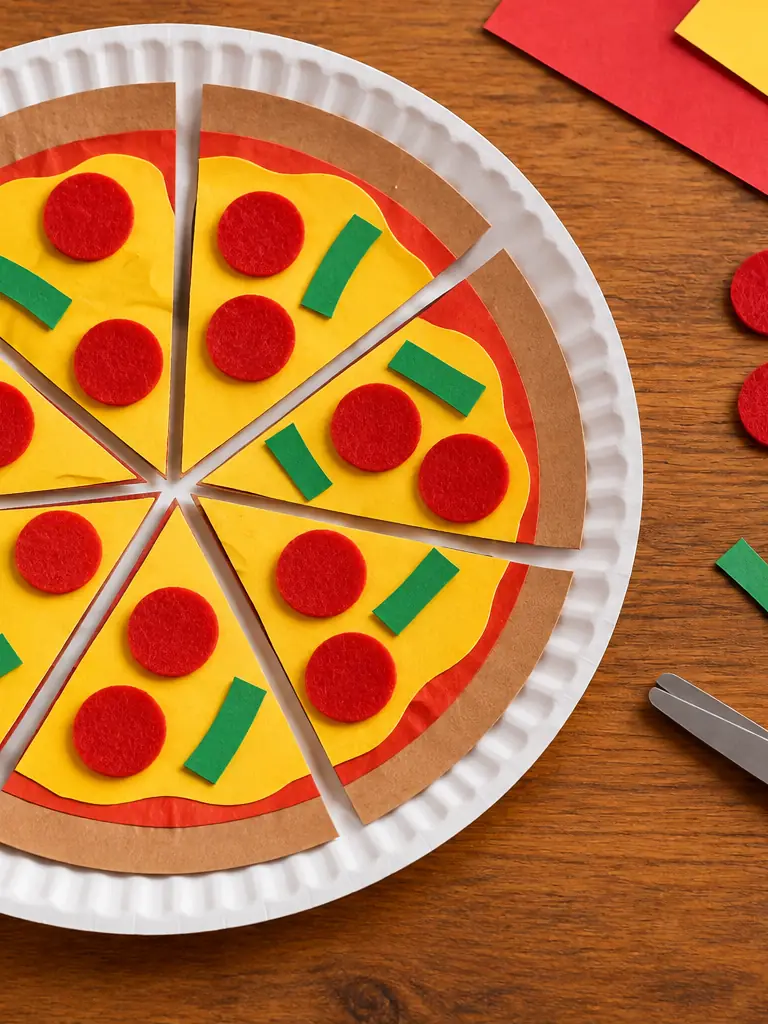
Fraction pizzas take the confusion out of early elementary mathematics. Students cut paper plates into halves, quarters, and eighths to visualize basic mathematical fractions. Adding paper toppings makes counting intuitive and fun.
This hands-on math craft strengthens spatial reasoning and problem-solving skills. Students immediately see how smaller portions combine into a whole shape. You need paper plates, cardstock, and glue sticks.
3. Origami Reading Bookmark Monsters

Corner monster bookmarks encourage consistent reading habits among elementary students. Children fold square cardstock into protective corner sleeves and glue on paper eyes and teeth. The folding process improves fine motor coordination and spatial awareness.
Students take pride in using their handmade bookmarks during daily reading time. The activity boosts confidence in paper crafting techniques. Keep extra paper sheets and glue sticks ready for customization.
4. Recycled Plastic Bottle Terrarium
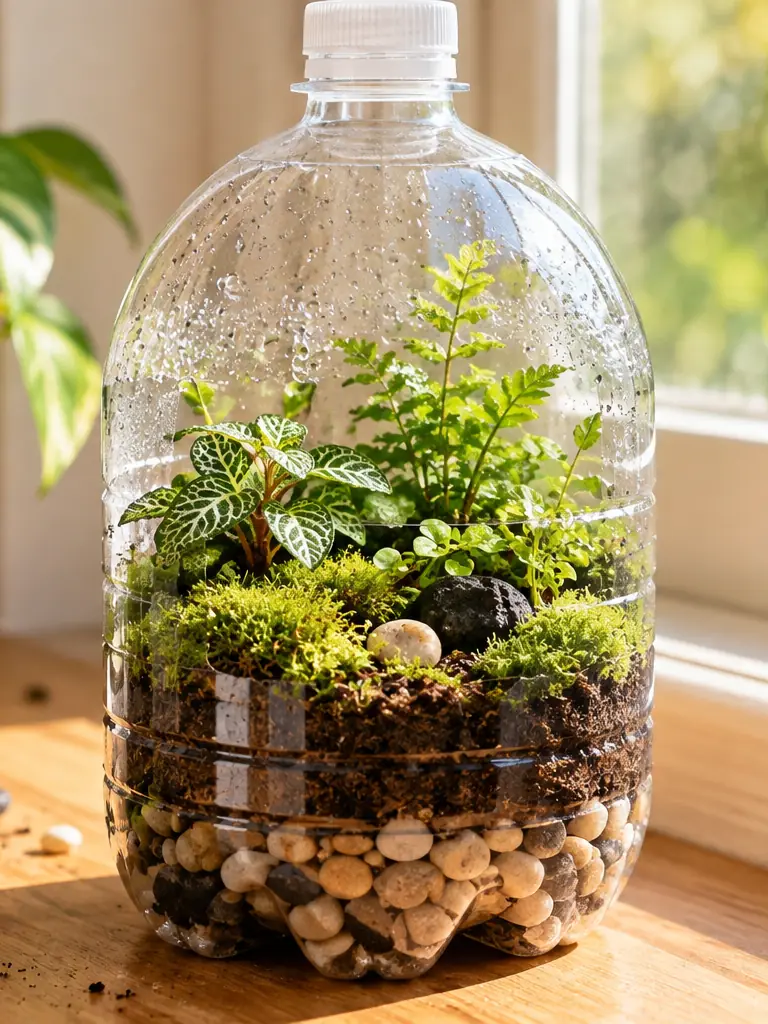
Miniature bottle terrariums provide a hands-on introduction to ecosystem science. Students layer pebbles, activated charcoal, potting soil, and tiny green sprouts inside repurposed plastic bottles. Watching moisture condense inside demonstrates water cycle dynamics directly.
This green science project connects kids with plant biology and environmental care. Students track daily plant growth inside classroom learning journals. Use recycled bottles, soil, and small succulents.
5. Felt Weather Wheel Indicator
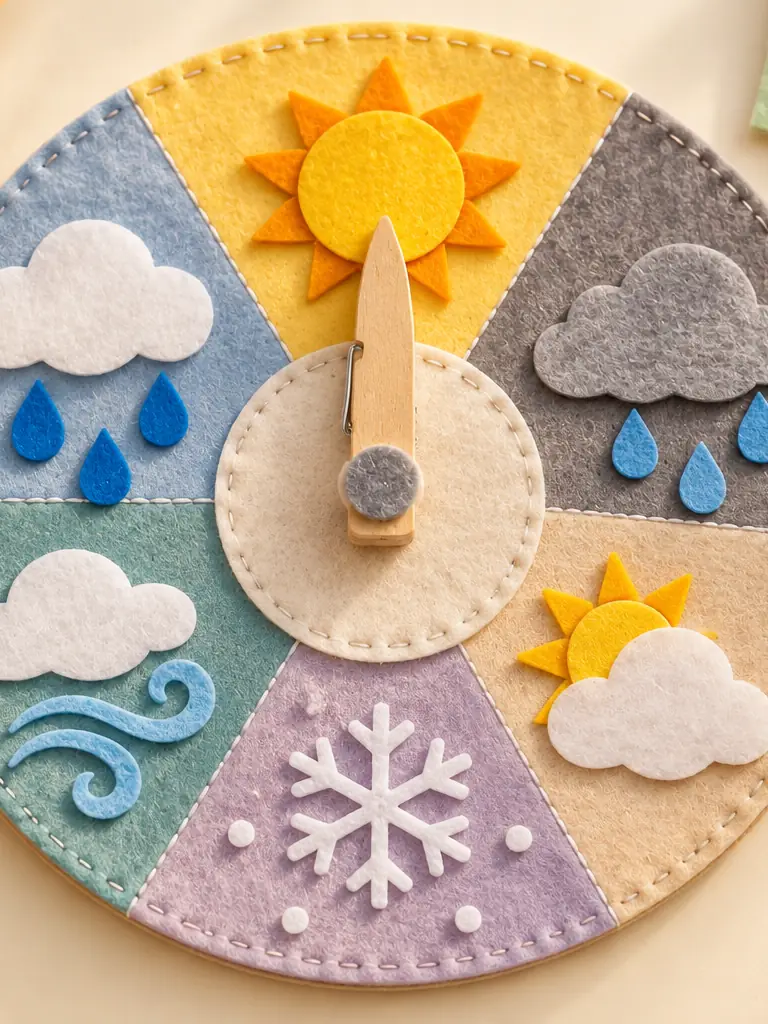
Weather wheels help early learners track daily atmospheric changes during morning routines. Kids cut and glue felt shapes like suns, storm clouds, and snowflakes around a heavy cardstock disc. Adjusting a central arrow reinforces daily weather observation skills.
This interactive craft builds early science vocabulary and analytical habits. It prompts students to observe daily environmental changes. Supply felt sheets, brass fasteners, and cardstock circles.
6. Clay Lifecycle Metamorphosis Models
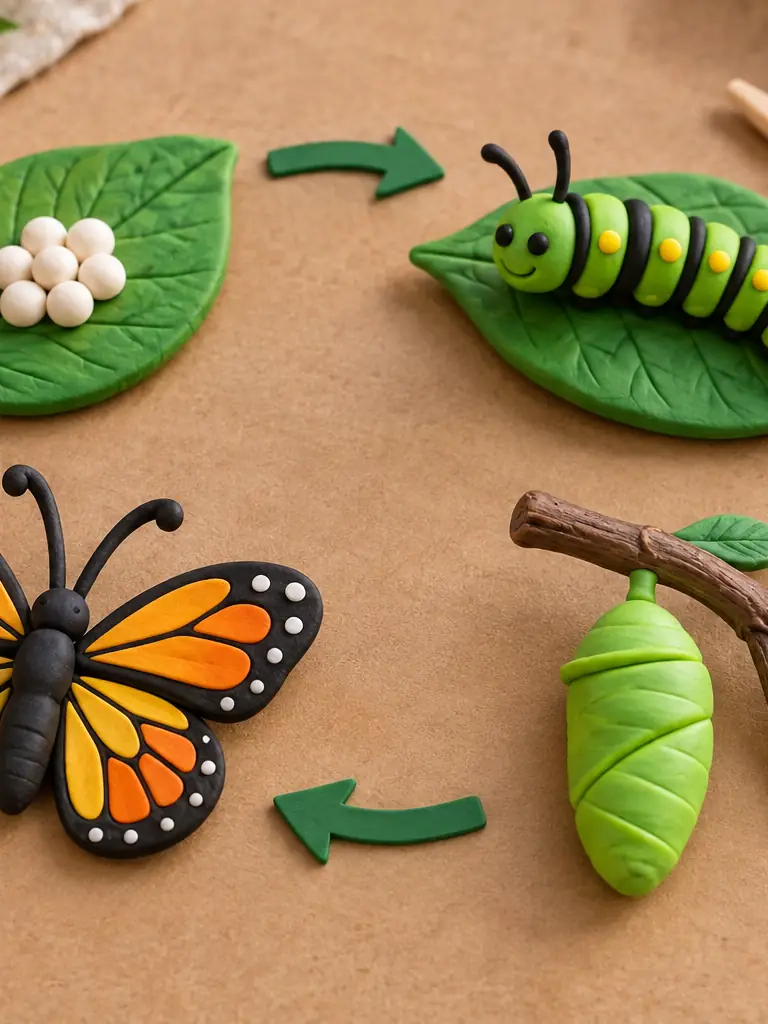
Clay lifecycle models bring biological growth stages to life. Students mold soft air-dry clay into the four stages of butterfly metamorphosis: egg, caterpillar, chrysalis, and adult. Physical sculpting reinforces sequential understanding.
Air-dry clay allows children to build tactile awareness of biological concepts. Once completely dry, students can paint their models using washable acrylic paints. Provide non-toxic clay, clay tools, and craft paint.
7. Handprint Alphabet Tree Chart
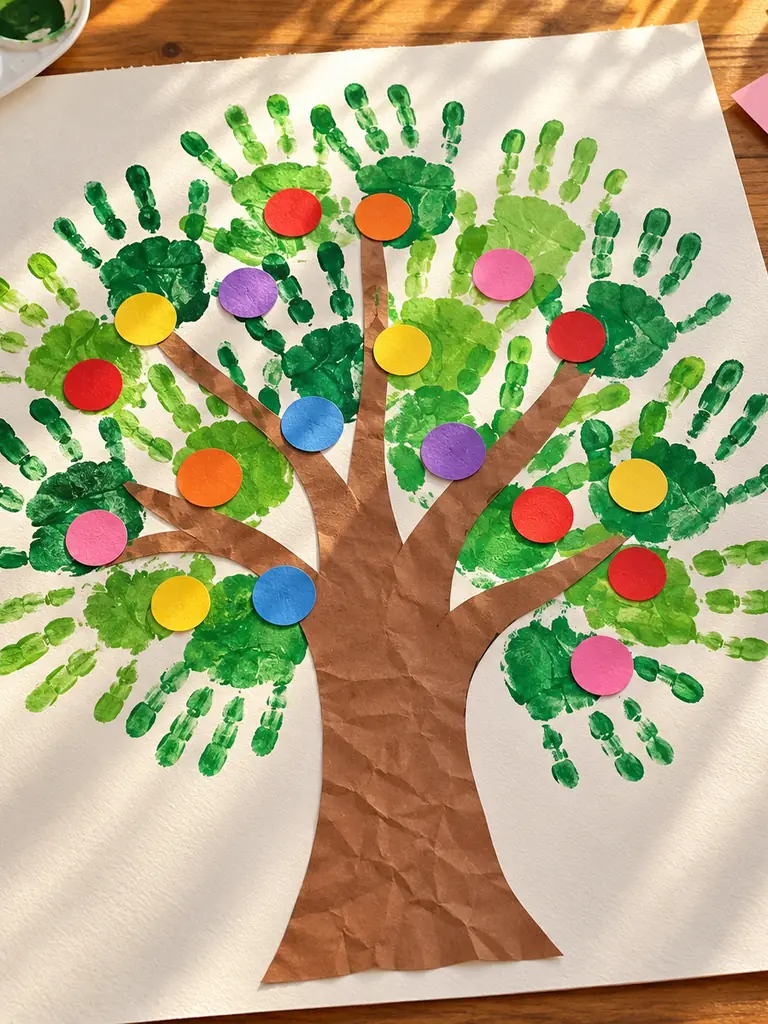
Handprint trees blend expressive visual art with early letter recognition activities. Students apply washable finger paint to stamp handprints that form leafy branches on poster paper. They paste labeled paper apples onto branches to practice alphabet categorization.
This group project strengthens classroom community and cooperation. The finished product creates a vibrant wall display for the school term. Gather finger paints, heavy paper rolls, and safety scissors.
8. Paper Chain History Timeline
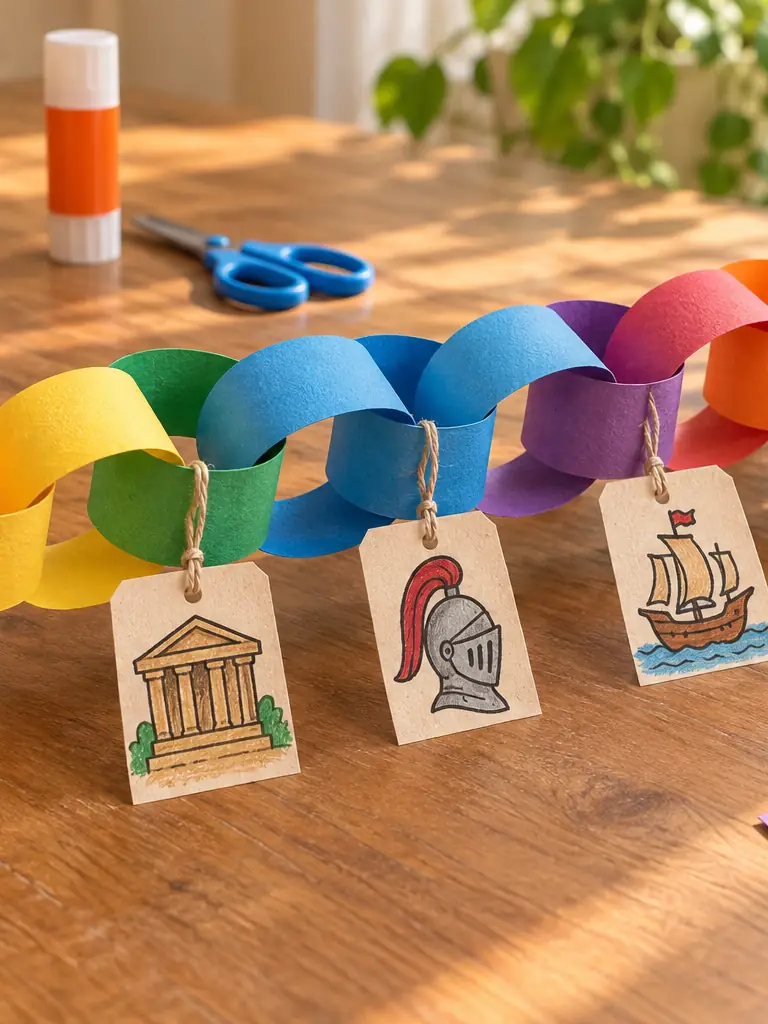
Paper chain timelines give students a visual concept of chronological order and historical events. Children write or draw key historical milestones on paper strips before linking them together in chronological sequence.
This hands-on history craft makes time progression easy to grasp. Students can add new links as they cover new historical topics throughout the term. You only need construction paper strips, tape, and markers.
9. Cardboard Loom Weaving Activity
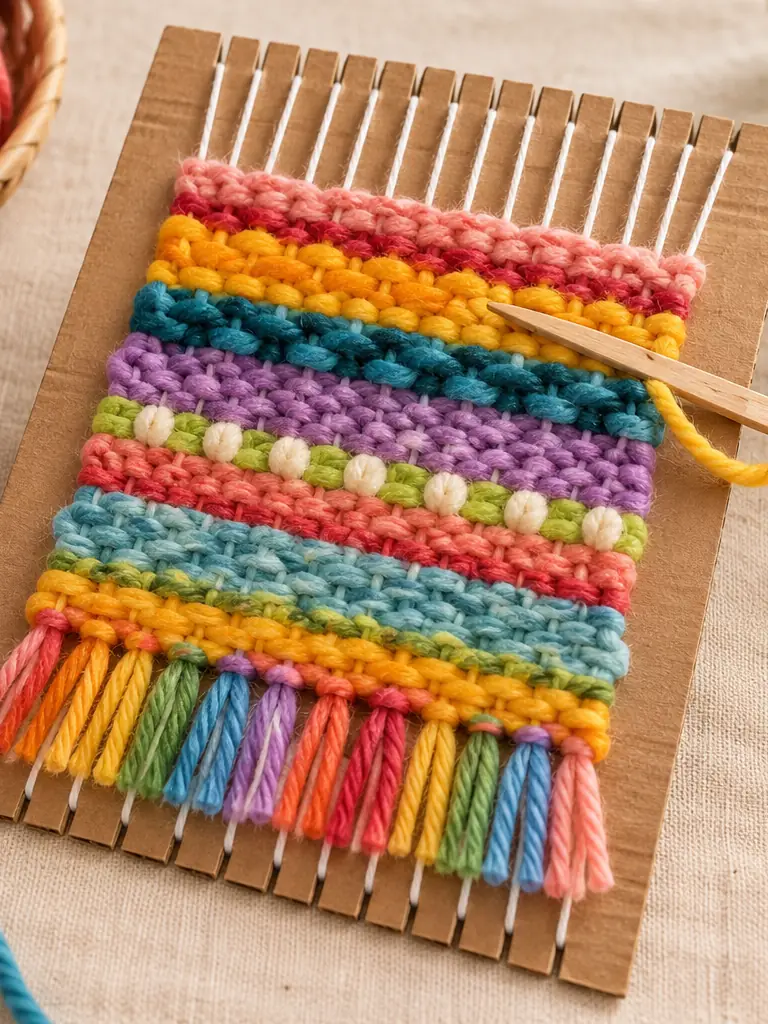
Cardboard looms introduce students to traditional textile crafts and hand-eye coordination. Kids wrap warp threads around a notched cardboard base and weave colorful yarn back and forth.
This tactile art activity improves patience, pattern recognition, and fine motor precision. Children can turn finished weaving pieces into small coasters or wall hangings. Prepare sturdy cardboard rectangles, yarn, and safety needles.
10. Popsicle Stick Geometric Shapes

Popsicle stick geometry helps kids visualize angles, edges, and 2D shape properties. Students glue wooden craft sticks together at vertex points to construct triangles, pentagons, and cubes.
This hands-on math activity reinforces geometry vocabulary in an approachable way. Students can paint finished shapes to categorize them by property type. Gather natural wooden sticks, craft glue, and paints.
11. Paper Bag Story Puppets
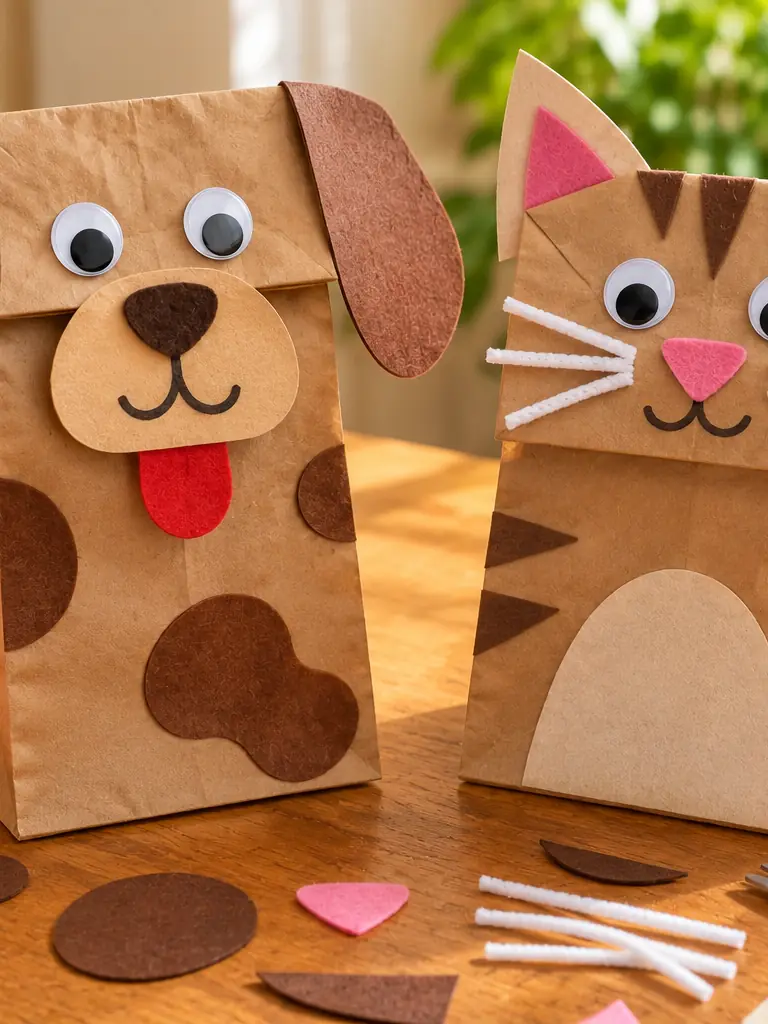
Paper bag puppets spark creative storytelling and language arts engagement. Children transform brown paper bags into storybook characters using paper scraps, yarn hair, and felt details.
This literacy craft builds public speaking confidence through interactive puppet plays. Students practice narrative structure while acting out reading assignments. Supply brown paper bags, glue, and scrap cardstock.
12. Salt Dough Topographic Maps
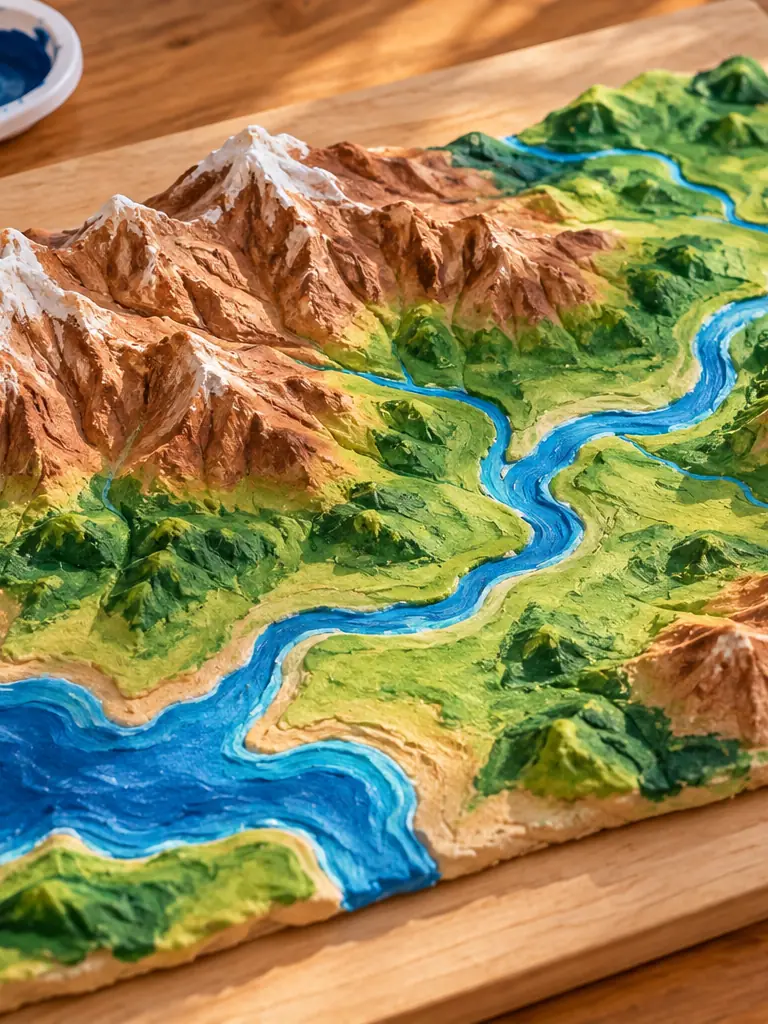
Salt dough relief maps turn geography lessons into an interactive sculpting experience. Students mix flour, salt, and water to build mountain ranges, valleys, and river channels on sturdy cardboard bases.
This geography project reinforces landform terminology and spatial mapping concepts. Painting dried dough adds visual clarity to physical features. Gather table salt, plain flour, water, and acrylic paints.
13. Tissue Paper Stained-Glass Leaves
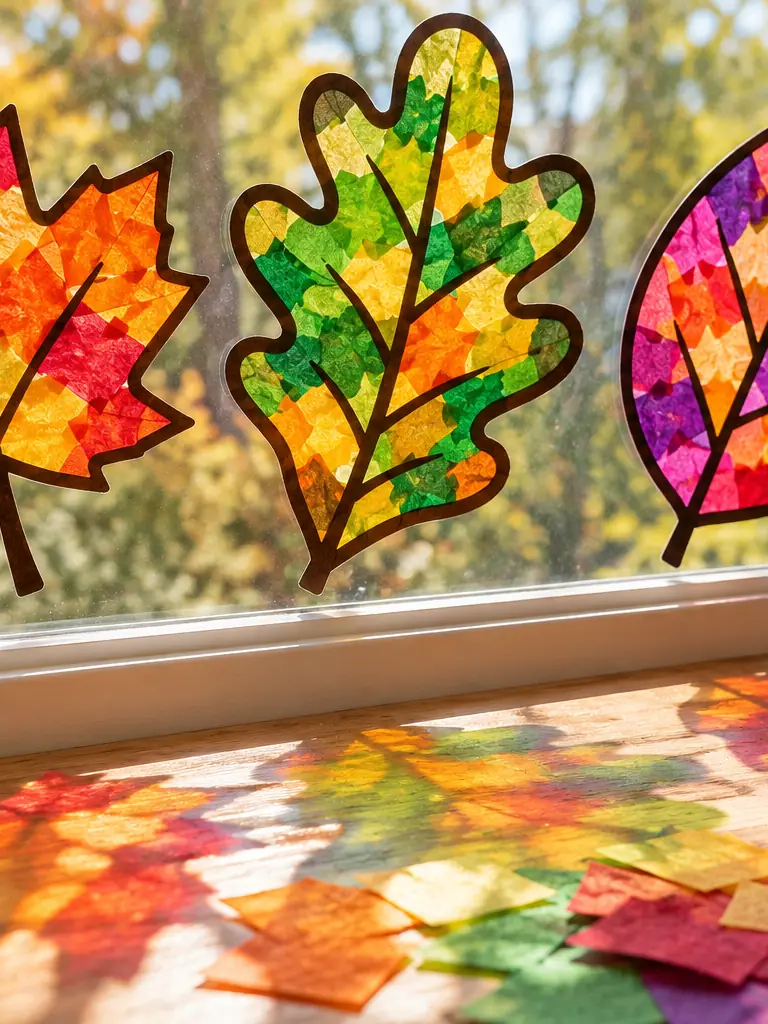
Tissue paper stained-glass crafts explore light refraction and seasonal changes. Students arrange small tissue paper squares inside leaf outlines made from black cardstock and clear contact paper.
Hanging finished crafts on classroom windows creates a bright display of blended color. This activity teaches color blending principles using light. Prepare tissue paper squares, clear contact paper, and black cardstock.
14. Cardboard Tube Kaleidoscope
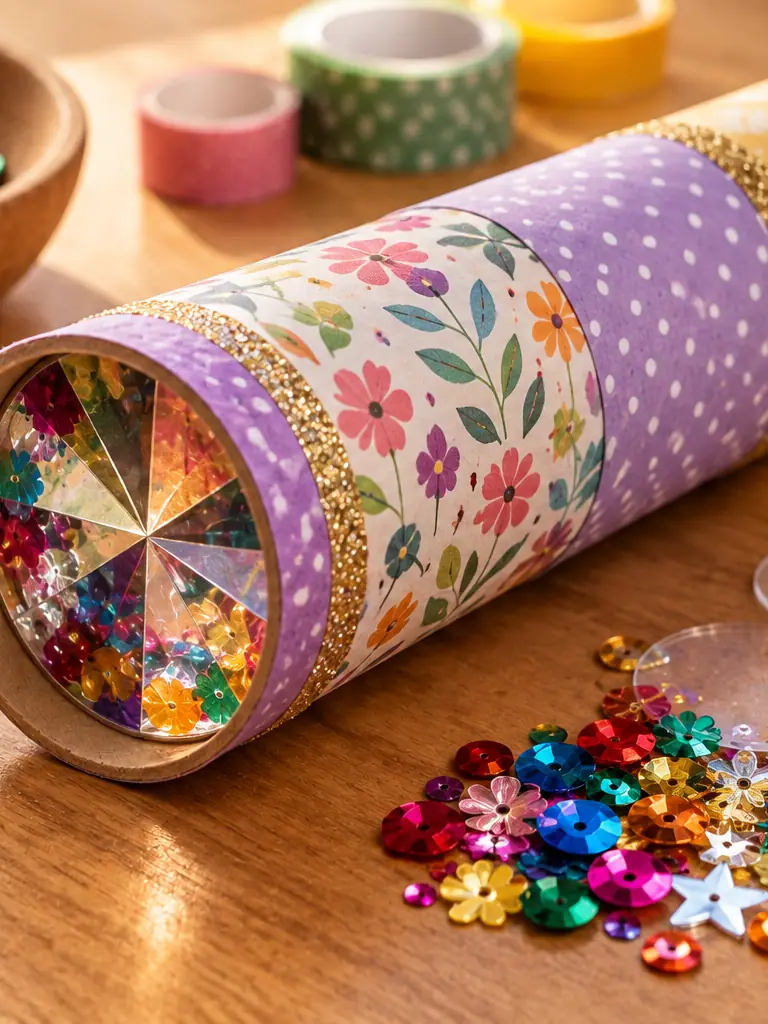
Cardboard tube kaleidoscopes introduce optical science and light reflection concepts. Kids insert reflective plastic strips inside a paper tube and add colorful beads at the end viewer.
This physics craft demonstrates how mirrors reflect light to produce symmetrical patterns. Children enjoy testing different bead combinations to create unique visuals. Gather paper rolls, foil sheets, clear plastic, and beads.
15. Paper Plate Sundial Clock
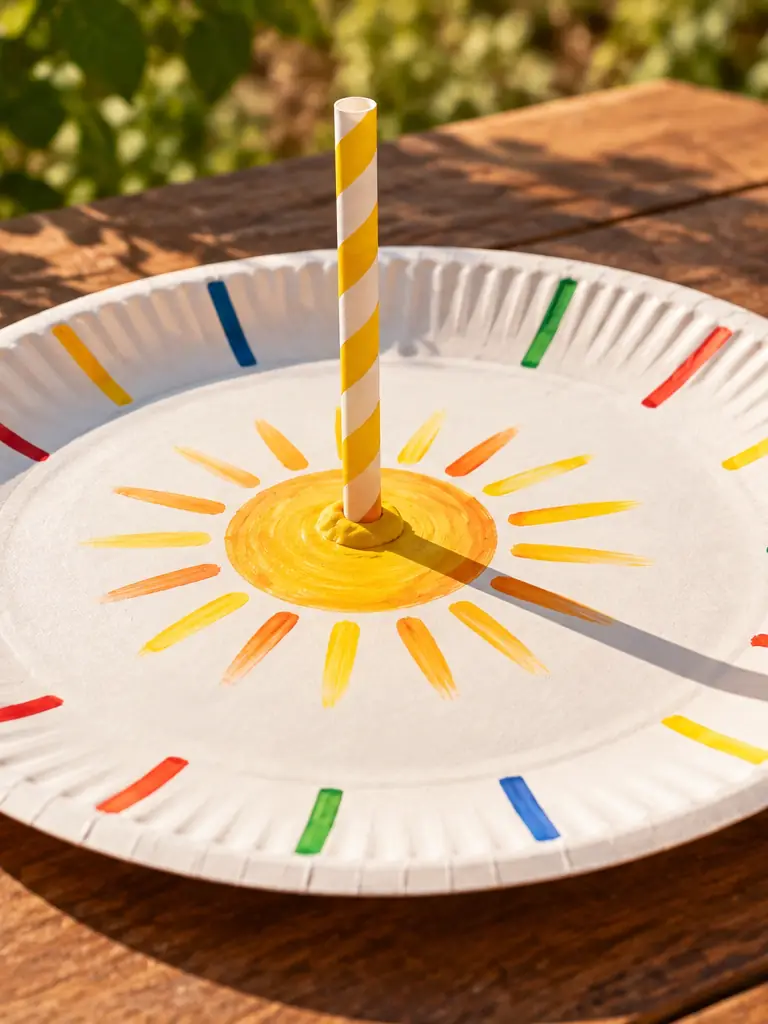
Paper plate sundials show children how ancient civilizations measured time using solar shadows. Kids insert a central straw pointer through a paper plate marked with hour positions and test it in daylight.
This astronomy project links timekeeping with Earth’s rotation around the sun. Students observe shadow movements across the plate over several hours. Prepare paper plates, paper straws, and markers.
16. Egg Carton Seed Starter Crafts
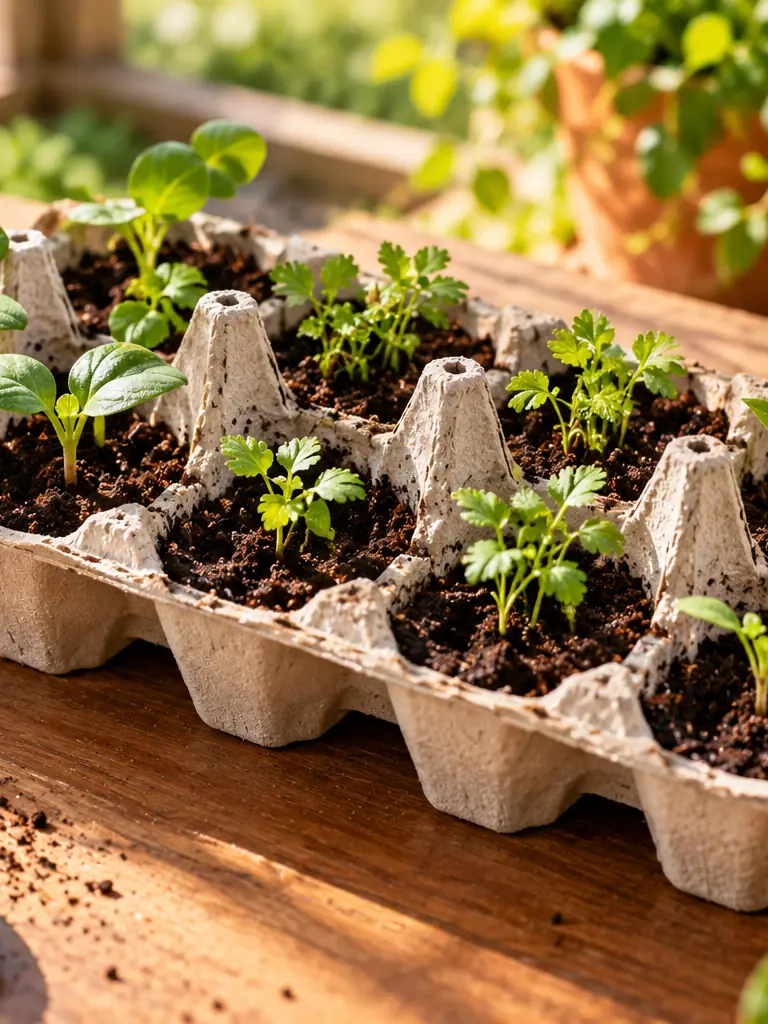
Egg carton seed starters teach plant germination and life cycles hands-on. Students fill biodegradable egg carton cups with soil, plant seeds, and monitor daily root and stem growth.
This biological science activity highlights seed structure and plant nourishment needs. Once sprouts grow strong, the entire biodegradable cup can be planted directly in soil. Supply cardboard egg cartons, soil, and seeds.
17. Yarn-Wrapped Cardboard Letters

Yarn-wrapped letters help early learners recognize alphabet shapes through tactile creation. Children wrap thick yarn around sturdy cardboard letter outlines, building motor control as they wrap.
This literacy craft reinforces letter shapes through hands-on repetition. Students can wrap the initials of their names for personalized desk displays. Prepare thick cardboard cutouts, yarn, and safety scissors.
18. Paper Cup Telephones

Paper cup telephones provide a practical demonstration of sound wave transmission. Kids poke small holes in paper cup bottoms, connect them with string, and test voice vibrations across the line.
This physics project demonstrates how physical vibrations carry sound energy through solid materials. Students learn acoustic concepts while working in pairs. Gather paper cups, string, and paperclips.
19. Plastic Cap Color Matching Wheels
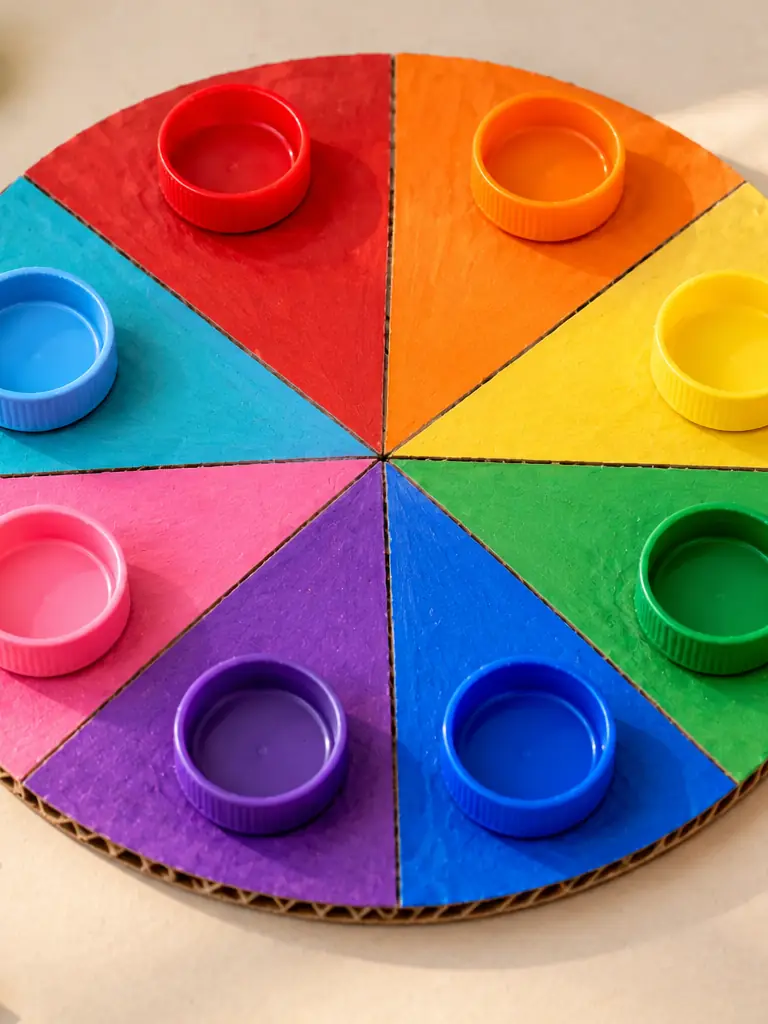
Color matching wheels use recycled materials to build early classification and sorting skills. Students paint sections of a cardboard wheel and match painted plastic bottle caps to correct sectors.
This sorting activity improves color recognition and hand-eye coordination in younger students. Teachers can adapt the wheel for matching numbers or letters. Supply cardboard circles, plastic caps, and paints.
20. Cardboard Box Shadow Theater
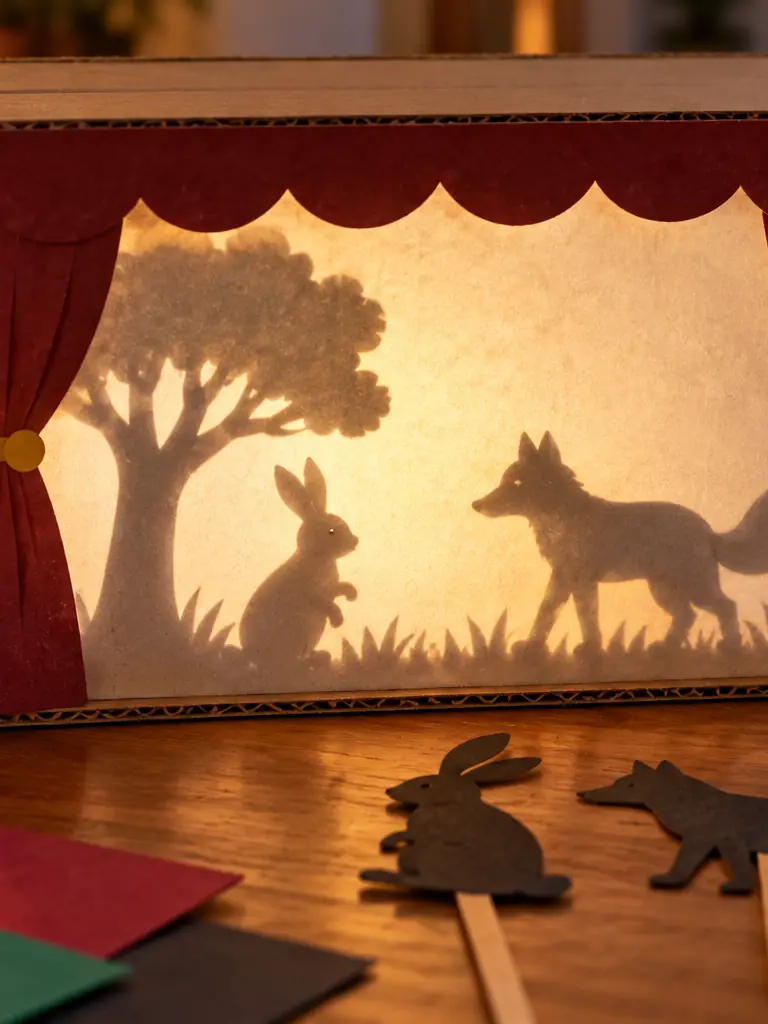
Shadow theaters combine engineering design with creative dramatic storytelling. Children cut a stage window in a cardboard box, cover it with tracing paper, and manipulate paper shadow puppets behind a light source.
This STEM craft explores light opacity, shadow angles, and narrative theater performance. Students write short scripts to perform for classmates. Gather cardboard boxes, tracing paper, wooden skewers, and flashlights.
21. Pressed Flower Nature Bookmarks
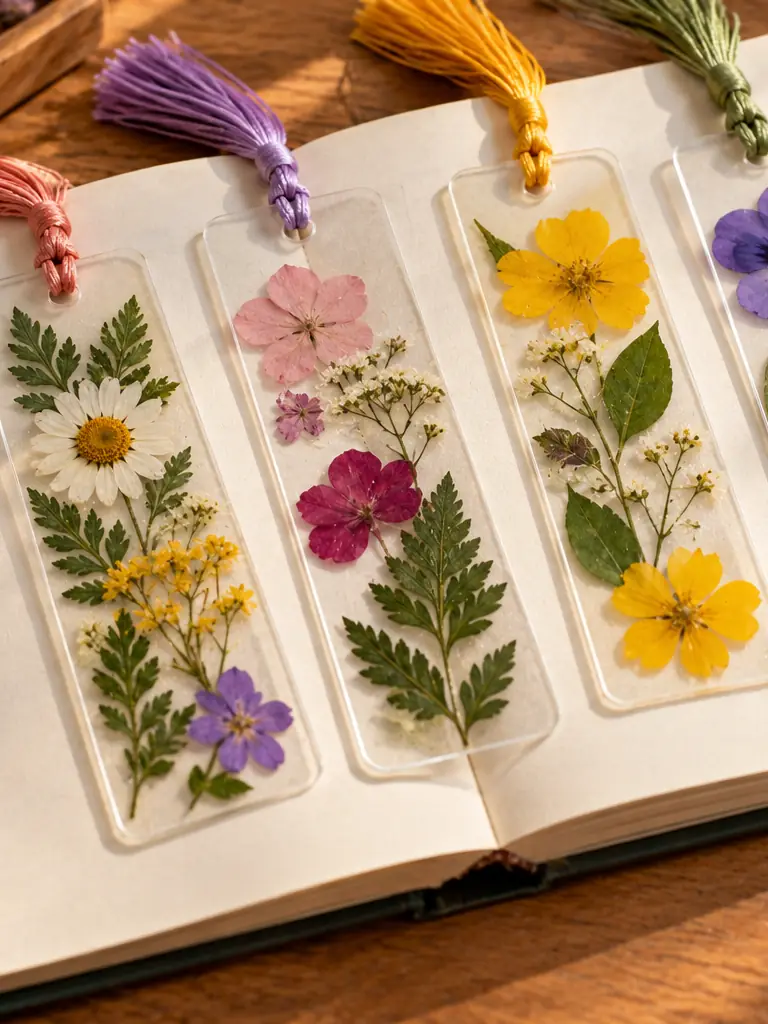
Pressed flower bookmarks combine nature collection with artistic preservation. Kids gather fallen petals and leaves, press them flat between heavy book pages, and seal them inside clear contact paper.
This botany art project teaches plant structure observation and seasonal tracking. Children use finished bookmarks during classroom reading sessions. Supply pressed flowers, contact paper, ribbon, and hole punchers.
22. Paper Straw Balance Scale
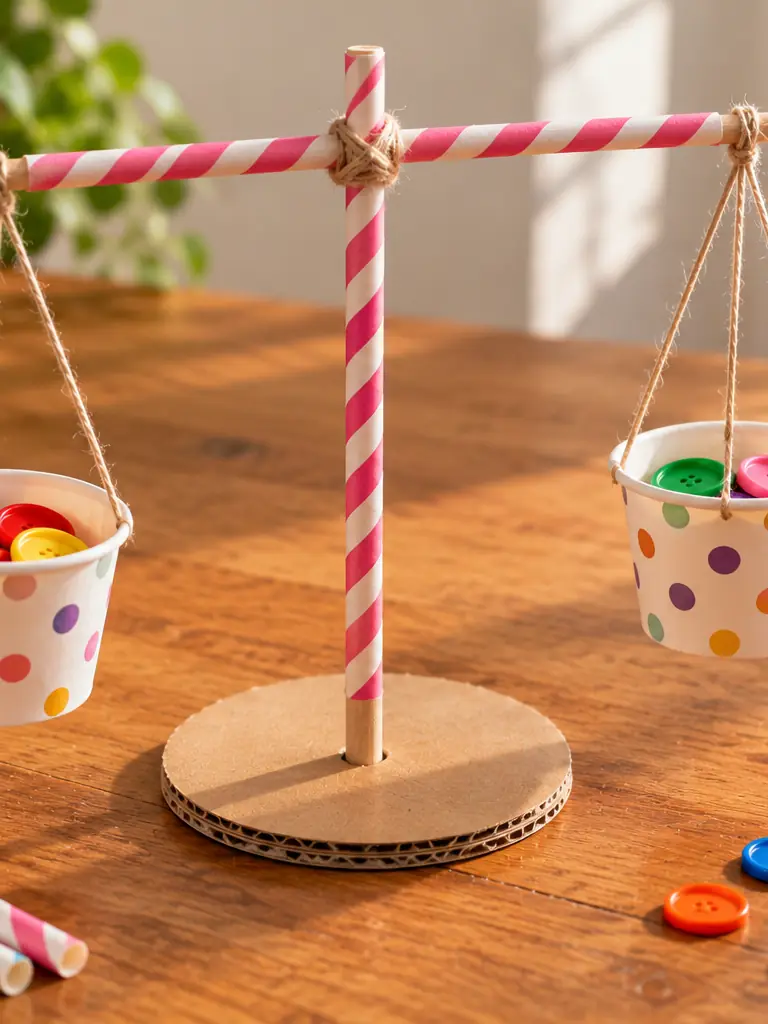
Paper straw balance scales introduce early physics concepts like weight, mass, and equilibrium. Children build a fulcrum balance using straws, string, and small paper cups to weigh light classroom objects.
This STEM activity helps students compare object weights using non-standard measurement units. Kids learn estimation by balancing buttons and paperclips. Gather paper straws, paper cups, string, and wooden dowels.
23. Felt Emotion Face Puzzles
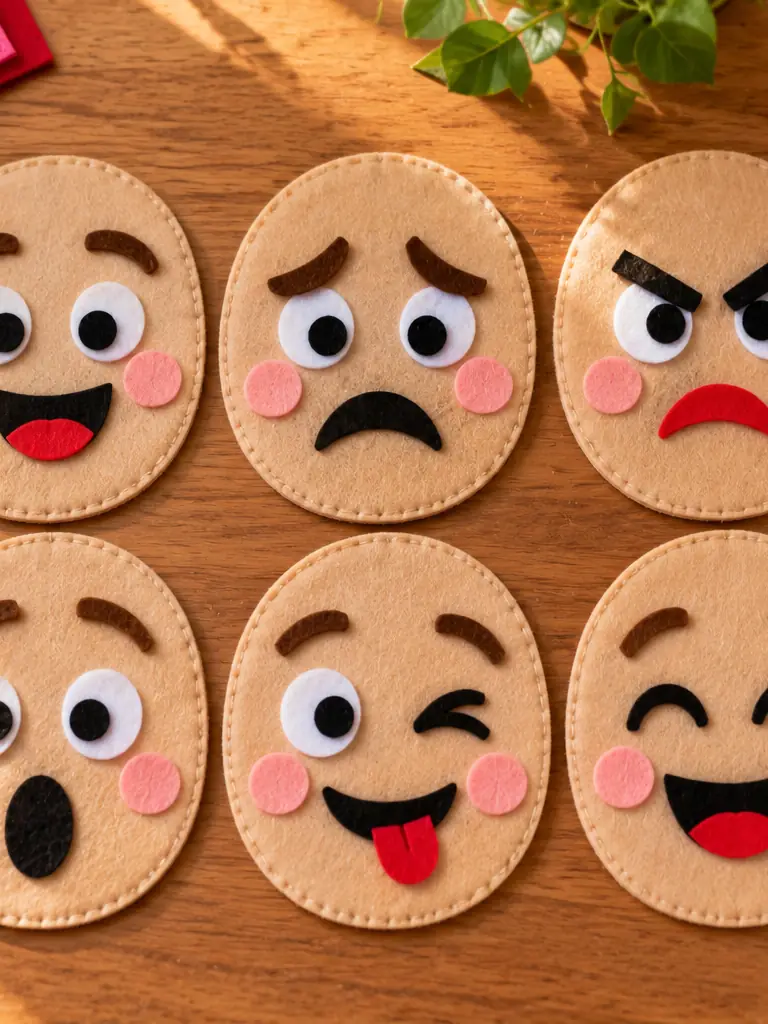
Felt emotion puzzles support social-emotional learning and self-expression. Kids cut felt mouth, eye, and eyebrow shapes to create interchangeable facial expressions on a blank felt face template.
This health craft helps young students identify, label, and discuss feelings effectively. It provides an approachable tool for morning check-ins. Supply colorful felt sheets, fabric scissors, and felt backings.
24. Cardboard Tube Wind Anemometer

Cardboard tube anemometers teach weather measurement and engineering principles. Students attach four paper cups in alternating directions onto straw arms fixed to a vertical paper tube spindle.
This meteorology project lets students measure wind speed variations outdoors. Kids count rotations per minute to record changing air movement. Prepare paper cups, paper straws, cardboard tubes, and pushpins.
Essential Supplies for School Crafts
Keeping standard supplies organized ensures classroom craft lessons run smoothly:
- Paper & Cardboard: Construction paper, paper plates, paper rolls, poster board, watercolor paper.
- Adhesives & Fasteners: Washable glue sticks, craft glue, painter’s tape, brass fasteners.
- Cutting Tools: Child safety scissors, decorative pattern scissors.
- Colors & Paints: Washable finger paints, acrylic paints, markers, crayons.
- Recycled & Natural Items: Plastic bottles, egg cartons, bottle caps, yarn, felt, pressed leaves, sticks.
Tips for Managing Classroom Craft Activities
Follow these practical tips to keep craft sessions organized and stress-free:
- Pre-Cut Complex Shapes: Prepare difficult paper shapes or cardstock bases before class begins to save time.
- Set Up Supply Stations: Organize materials into individual table trays so students can access items easily.
- Show a Finished Model: Display a completed craft sample so students clearly understand project steps.
- Focus on Learning Concepts: Encourage students to explain the science or math ideas behind their crafts.
Frequently Asked Questions
What are the best school crafts for younger elementary students?
Paper plate fraction pizzas, corner bookmarks, yarn-wrapped letters, and felt weather wheels are perfect for younger students. They use simple tools and teach clear foundational concepts.
How do crafts improve classroom learning outcomes?
Crafts convert abstract lesson concepts into visual, hands-on experiences. Building physical projects improves spatial memory, concept retention, and motor coordination.
What low-cost materials work best for school crafts?
Recycled cardboard tubes, egg cartons, plastic bottles, paper plates, and construction paper scraps offer low-cost, versatile options for budget-friendly classroom projects.
Final Thoughts on Creative School Crafts
Using creative school crafts in lesson plans keeps young students curious, focused, and excited about learning. Hands-on projects convert complex subjects into enjoyable activities that children remember.
Pick your favorite project ideas, gather your supplies, and start crafting with your students today. Explore more DIY ideas on CraftedMode to discover your next classroom activity.
Keep exploring: browse more Kids ideas, read our easy school crafts for quick classroom fun, or head back to the CraftedMode homepage for fresh DIY inspiration.